December 26, 2025
In today's dynamic built environment, the trajectory of garage door services is being reshaped by a synergistic fusion of intelligent systems and forward-thinking design paradigms. As stakeholders across residential and commercial sectors pursue operational excellence, adaptability, and elevated user experience, the garage door—once a purely functional artifact—is becoming a cornerstone of property value and technological integration. For providers like NDI Garage Door, this shift underscores an imperative to align service delivery with the evolving expectations of savvy property owners and facility managers.
Reimagining Integration of Smart Technology
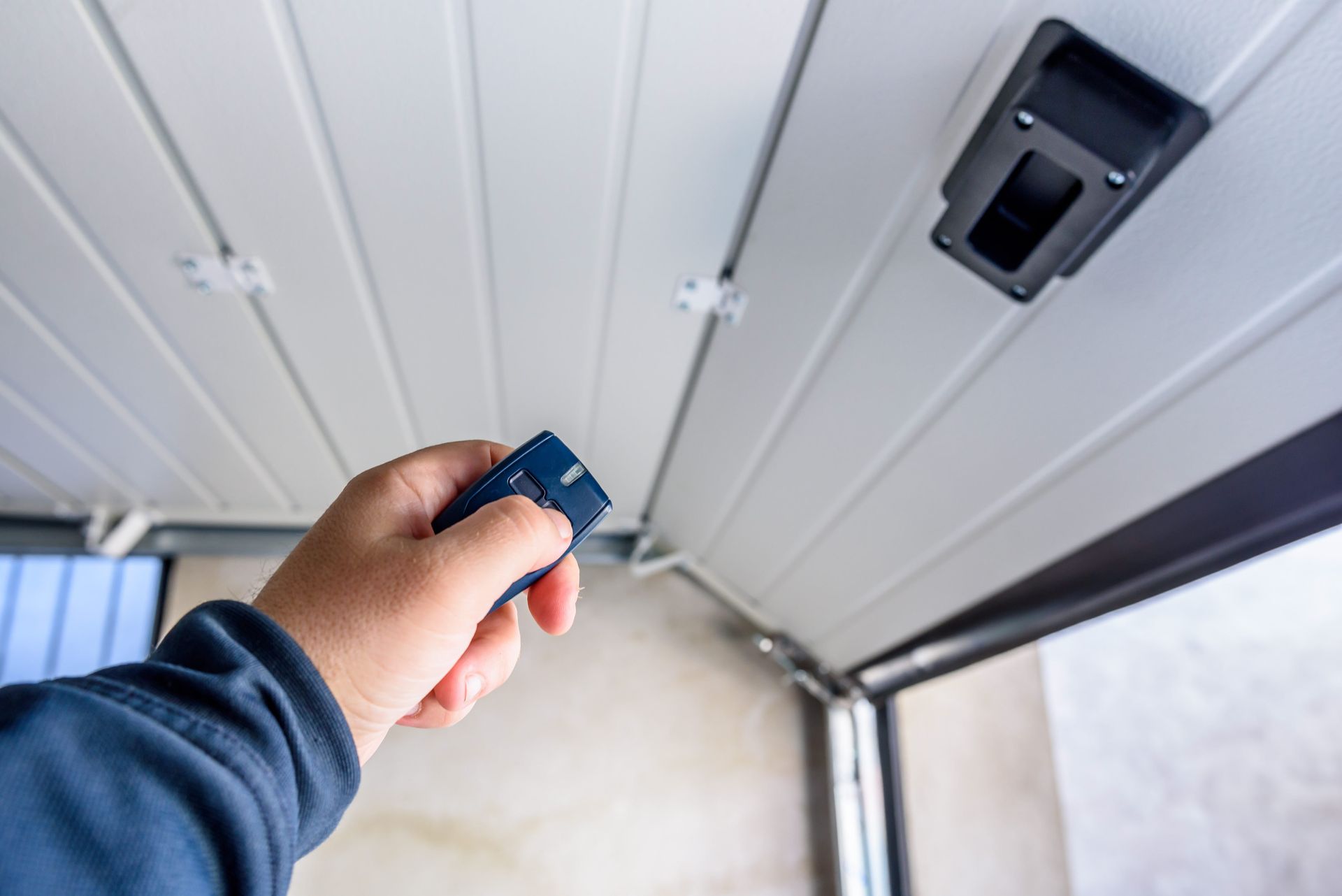
The first dimension of transformation in garage door services centers on the integration of smart technology. What was once limited to manual operation has rapidly matured into an ecosystem of sensors, connectivity protocols, and cloud-enabled management. Contemporary garage door systems are now capable of interfacing with broader home automation frameworks, delivering real-time diagnostics and remote control via mobile platforms. This shift yields increased operational transparency and enhances predictive maintenance capabilities.
For instance, stakeholders can now configure alerts that notify them of irregular performance patterns. These alerts, powered by embedded sensors and machine learning algorithms, forecast potential component degradation before it escalates into disruptive failure. From an asset management perspective, this predictive insight supports cost-avoidance strategies by reducing unplanned downtime and optimizing maintenance scheduling.
Remote operability has also transformed user expectations. Clients increasingly demand seamless access control that synchronizes with smart home ecosystems, voice-activated assistants, and geo-fencing services. Garage door services that embed these capabilities into their solution portfolios position themselves as strategic partners rather than transactional vendors, aligning their value proposition with clients' digital lifestyle frameworks.
Revolutionizing User Experience Through Design Innovation
Parallel to technological advancements, design trends are catalyzing a new era of aesthetic and functional refinement in garage door services. Contemporary designs favor a convergence of architectural coherence, material innovation, and brand expression. As properties become more visually dynamic, garage doors are now being conceived as signature elements of exterior design rather than residual afterthoughts.
Customization has become a differentiator, with clients seeking unique design motifs, finishes, and integrated lighting that align with the broader architectural narrative of their property. Garage door services now encompass end-to-end consultation, where design professionals collaborate with clients to co-create solutions that reflect personal style and environmental context. Whether through thermally efficient materials, panoramic glass panels, or bespoke color palettes, the garage door is evolving into a high-impact design asset.
Operational efficiency is being enhanced through materials science as well. Lightweight composites, reinforced steel, and insulated panel systems contribute not only to durability and energy performance but also to acoustical comfort. As building codes and sustainability benchmarks become more demanding, these innovations increasingly matter to property owners who aim to balance form with environmental responsibility.
Strengthening Operational Performance Through Data Empowerment
Another key trend in the future of garage door services is the deployment of data analytics to drive performance enhancements. The digitization of system components enables the capture of meaningful operational data, which—when analyzed—can reveal patterns that inform service interventions. This data empowerment is creating a new tier of service delivery that transcends reactive repairs and moves toward proactive lifecycle management.
For service providers, leveraging data analytics creates differentiated value for clients by enabling more accurate forecasting of component life expectancy, throughput performance, and utilization trends. For example, a commercial fleet facility can monitor door cycles over time to optimize staffing and scheduling, reducing bottlenecks during peak operational windows. This level of insight transforms traditional service engagements into strategic partnerships that drive measurable efficiency improvements.
From a risk management perspective, data-driven insights support compliance and safety initiatives. Providers can integrate diagnostic reporting into maintenance contracts, ensuring that clients remain aligned with industry standards and regulatory requirements. Through dashboards and periodic performance summaries, clients receive transparent documentation that substantiates service value and supports decision-making processes.
Elevating Sustainable Practices Across the Lifecycle
Sustainability is no longer a peripheral consideration in garage door services; it has become a central pillar of strategic planning. Market demand is trending toward solutions that minimize environmental impact while maximizing energy efficiency. This means service providers must embed sustainability metrics into every phase of the project lifecycle—from design and installation to maintenance and end-of-life recycling.
Advanced insulation systems, eco-friendly materials, and energy-efficient motor assemblies are now core attributes of forward-looking garage door products. These features not only contribute to reduced energy consumption but also improve thermal performance, which can be a significant cost driver in climate-controlled environments. By promoting sustainable product specifications, service providers help clients achieve long-term operating savings while contributing to broader corporate sustainability goals.
In addition, the deployment of smart systems supports sustainability through optimized usage patterns, minimizing unnecessary cycles and identifying inefficiencies that contribute to energy waste. As enterprises seek to reduce their carbon footprint and align with environmental, social, and governance (ESG) objectives, the role of sustainable garage door services becomes increasingly strategic.
Advancing Safety, Security, and Compliance Standards
As technology and design evolve, so too does the imperative to safeguard users and protect assets. The future of garage door services must prioritize safety and security as foundational elements. Integrating biometric access controls, advanced intrusion detection systems, and secure communications protocols are now best practices in both residential and commercial contexts.
Smart garage doors contribute to heightened security through encrypted communication channels and access logs that provide audit trails. These features are particularly valuable for commercial properties that require strict oversight of entry and egress points. Service providers are tasked with incorporating multi-layered security solutions that mitigate unauthorized access while maintaining user convenience.
In parallel, safety standards continue to evolve, driven by regulatory bodies and industry norms. Garage door services must ensure that all installations comply with the latest codes related to mechanical safeguards, emergency release mechanisms, and sensor systems. By institutionalizing rigorous compliance frameworks, providers protect their clients from liability risks and reinforce the integrity of their service delivery.
Enhancing Value Through Strategic Partnerships and Professional Expertise
Amid the rapid evolution of technology and design, the differentiator that will define successful garage door services is professional expertise. Clients are increasingly discerning, and they recognize the value of partnering with service providers who can deliver comprehensive solutions with measurable outcomes. The complexity of modern systems demands a high level of technical competence, project management acumen, and consultative engagement.
According to Bob Vila, using a professional garage door installation company produces an 85% average return on investment. This underscores the tangible value that expert service providers bring to the table—not merely through installation quality, but through optimized performance, reduced lifecycle costs, and enhanced property value.
For firms like NDI Garage Door, this translates into an emphasis on talent development and continuous learning. Organizations that invest in their workforce ensure that technicians and consultants remain at the forefront of industry trends, technological shifts, and safety protocols. Moreover, cultivating a culture of customer centricity empowers teams to tailor solutions that resonate with client priorities, whether they prioritize durability, aesthetics, smart integration, or long-term asset optimization.
Cultivating Differentiated Customer Experience and Brand Loyalty
Customer experience is another strategic axis shaping the future of garage door services. As offerings become more complex and personalized, clients expect seamless engagement from initial consultation through ongoing support. This requires providers to refine their customer experience frameworks, leveraging both digital and human-centric touchpoints.
Digital interfaces—such as online portals and mobile apps—facilitate transparent communication, real-time updates, and service request tracking. These tools support efficiency and convenience but must be complemented by responsive, knowledgeable customer support teams that can address nuanced questions and provide reassurance throughout the service journey.
Brand loyalty in this sector is increasingly tied to the predictability of outcomes and the consistency of value delivered. Clients want partners they can trust not only to resolve immediate issues but also to anticipate future needs. Service contracts that include scheduled maintenance, performance assessments, and priority response build enduring relationships and unlock recurring revenue streams for providers.
Integrating Innovation With Scalable Delivery Models
Scalability remains a paramount consideration as garage door services grow in complexity and demand. Providers must architect delivery models that can accommodate a wide range of client profiles—from single-family residential homes to large industrial campuses—without compromising quality or cost efficiency.
One approach involves modular service frameworks that allow clients to select from tiered offerings. For example, a basic package might cover essential maintenance and emergency support, while advanced tiers include predictive analytics, rapid response guarantees, and smart technology integration. These scalable models empower clients to align service levels with their operational priorities and budgetary constraints.
From an operational perspective, leveraging centralized data platforms and field service management tools enhances coordination across geographies and service teams. Standardized workflows, integrated scheduling systems, and real-time performance metrics support both responsiveness and accountability. These capabilities are increasingly expected by clients who view service providers as extensions of their own operational ecosystem rather than isolated vendors.
Positioning for the Future With Strategic Vision and Innovation
Looking ahead, the future of garage door services will be defined by a relentless pursuit of innovation, customer value, and operational excellence. Technological advancements will continue to expand the scope of what is possible, but success ultimately hinges on the ability of service providers to integrate smart solutions with human expertise and client-centric execution.
Providers must cultivate strategic foresight, anticipating market shifts and aligning their offerings with emerging trends. Whether in the realm of sustainable materials, artificial intelligence-enabled diagnostics, or immersive design customization, the companies that lead will be those that translate complexity into clarity for their clients.
As we navigate this era of transformation, the role of garage door services extends far beyond functional performance. It encompasses value creation at multiple levels—enhancing property appeal, optimizing operational workflows, safeguarding assets, and elevating the overall user experience. For businesses that approach this evolution with agility and purpose, the opportunities are vast, and the potential for long-term relevance and growth is substantial.
The future of garage door services promises a convergence of smart technology, design ingenuity, and elevated customer engagement. Providers who embrace this future with strategic investment in talent, technology, and process innovation will not only meet the demands of today's market but shape the next frontier of service excellence. If you're looking for new smart garage door services, contact NDI Garage Door today.